
Fabric guide
Know your cloth.
Every House of Aṣọ piece starts with a fabric that carries a story. Here’s what each one is, what it’s made for and how to keep it looking new.

Wax-print cotton
Ankara
Bold, bright and endlessly varied. Ankara is cotton printed with wax-resist patterns, and across West Africa it has become the everyday language of celebration. Its crisp hand makes it perfect for structured dresses, two-piece sets and shirts.
Wear it for
- Dresses and two-piece sets
- Shirts and jackets
- Matching family looks
Care
Wash cold, inside out. Dry in the shade and iron on the reverse.
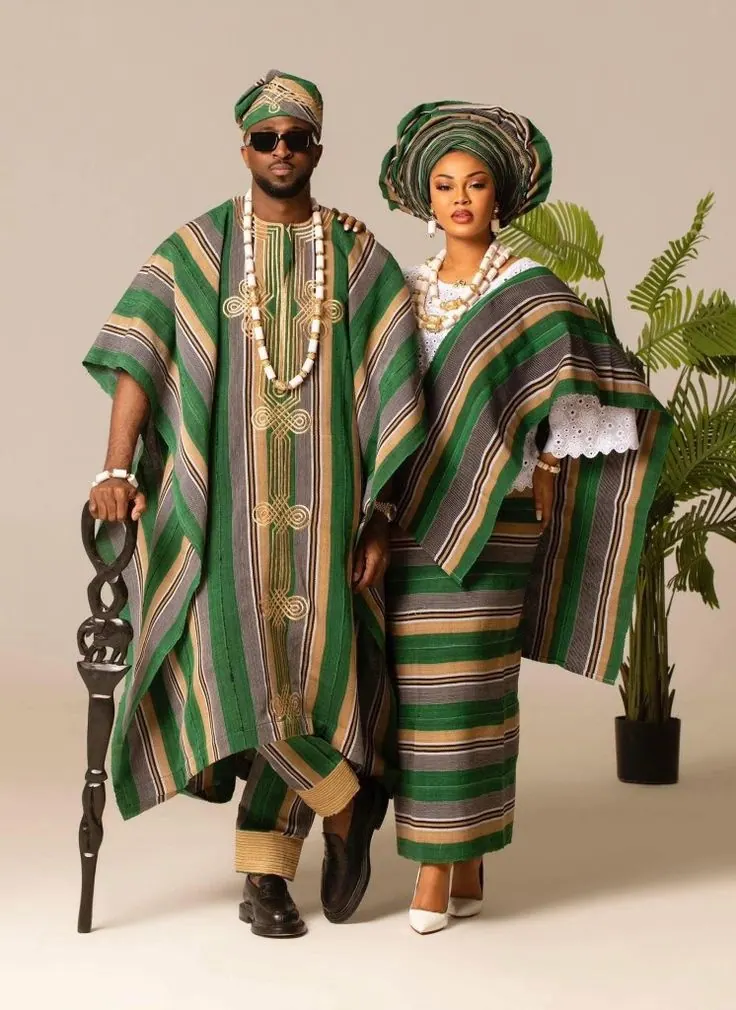
Hand-woven Yorùbá cloth
Aṣọ-òkè
Woven on narrow looms in strips, then sewn together. Aṣọ-òkè is the cloth of big days: weddings, chieftaincy and naming ceremonies. It is heavier, with a quiet sheen and a structure that holds the shape of an agbada or gele.
Wear it for
- Agbada and fila
- Gele and ìró
- Wedding and ceremony looks
Care
Dry clean only. Store folded flat or rolled, never on a thin hanger.
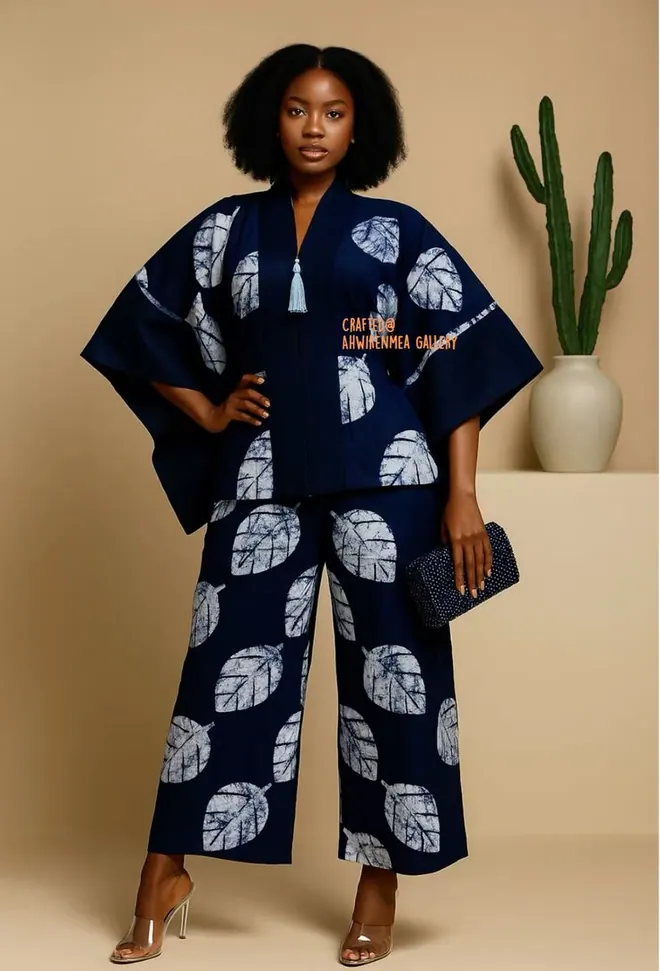
Indigo resist-dyed cloth
Adire
Adire is made by tying, stitching or painting starch onto cloth before it goes into the indigo vat, so the pattern appears where the dye cannot reach. Every piece carries the hand of its maker, which is why no two are exactly the same.
Wear it for
- Relaxed two-piece sets
- Kaftans and shirts
- Everyday statement pieces
Care
Wash separately in cold water at first. Indigo softens and deepens with time.

For the owambe
Lace
Lace is the fabric of the party. Light, textured and often beaded, it is chosen for weddings, owambe and every celebration where you plan to dance. We pair it with Ankara and aṣọ-òkè so it feels unmistakably ours.
Wear it for
- Party dresses
- Bubas and wrappers
- Matching aso-ebi
Care
Hand wash cold or dry clean. Never wring, and steam instead of ironing.